
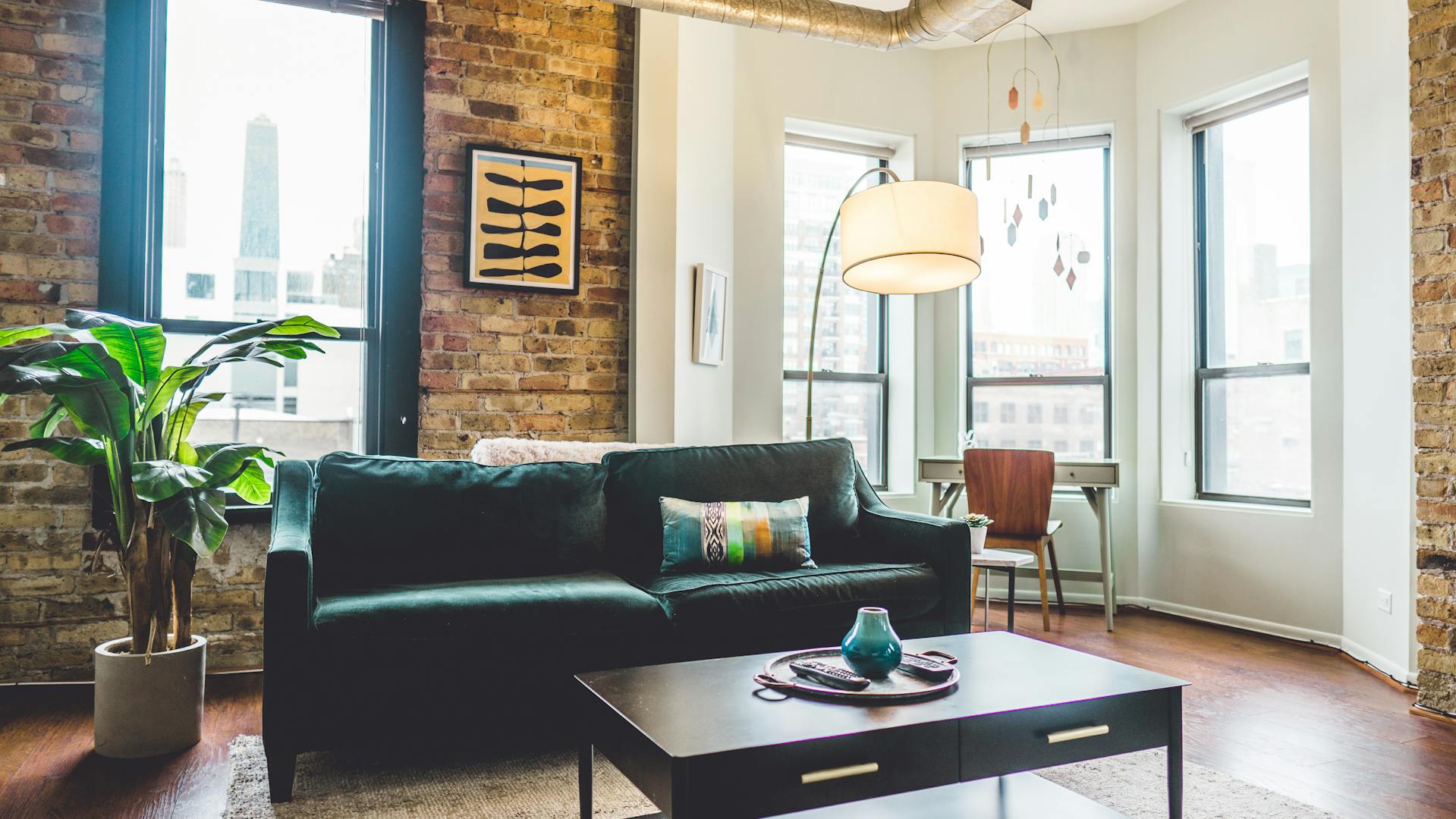
Small living spaces can feel either cozy or cramped, and the difference often depends on furniture choices. Many apartments and compact homes demand clever planning, especially when every square meter carries weight. Oversized sofas, bulky cabinets, and heavy tables can quickly swallow a room. On the other hand, smart selections create airiness and movement. If you have ever struggled with fitting a dining table into a tight corner or placing a couch without blocking walkways, you are not alone. The good news is that limited space does not mean limited style. With thoughtful decisions and a bit of spatial awareness, even the smallest living area can appear open, comfortable, and surprisingly elegant without feeling squeezed.
Measure First, Buy Later
Impulse furniture shopping often leads to regret in small homes. Before purchasing anything, measure your room carefully. Record wall lengths, ceiling height, window placement, and door clearance. These details matter more than you might expect. Sketching a simple floor plan can clarify what fits and what overwhelms. Leave space for natural movement. Walkways should remain clear so the room does not feel blocked. Even a few extra centimeters can determine whether a sofa looks balanced or bulky. Also consider scale. A slim-profile couch with raised legs may look lighter than a thick, low-set sectional. Visual weight affects how spacious a room appears. Choosing pieces that match the proportions of your area prevents crowding and supports comfort.
Prioritize Multi-Functional Pieces
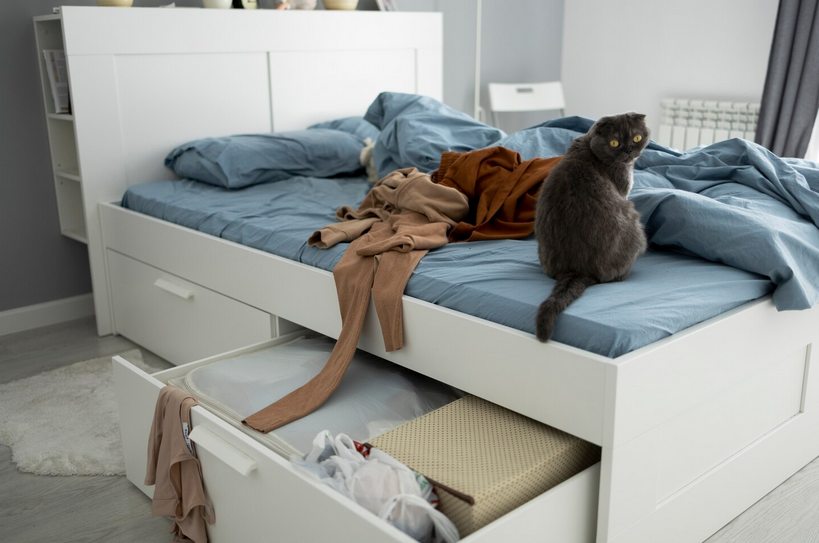
In compact homes, furniture should work harder. A coffee table that includes storage, a bed with drawers underneath, or a fold-out dining table can transform limited square footage into a practical environment. Sofa beds are particularly useful in studio apartments. During the day, they provide seating; at night, they convert into sleeping space. Storage ottomans also serve dual roles, acting as footrests while hiding blankets or magazines. Wall-mounted desks and drop-leaf tables offer flexibility without permanent bulk. When not in use, they fold away, freeing space. Selecting furniture that performs multiple tasks reduces clutter and keeps the room organized. Instead of filling a space with separate items for every function, look for adaptable designs that simplify your layout.
Choose Light Colors and Elevated Designs
Color and structure influence perception. Dark, heavy furniture can shrink a room visually. Lighter tones such as soft beige, pale gray, or muted pastels reflect more light, giving the illusion of openness. Furniture with exposed legs allows the eye to travel underneath, creating a sense of depth. This small design feature can significantly change how spacious a room feels. Glass tables and open shelving also help maintain visibility, preventing the space from appearing boxed in. Mirrored surfaces may amplify light and extend sightlines. While too many reflective pieces can feel excessive, a balanced approach brightens the room. By focusing on lighter shades and lifted forms, you make even compact quarters feel breathable.
Embrace Vertical Space
When floor area is limited, look upward. Walls often hold untapped potential. Tall shelving units draw the eye upward and free the ground for movement. Floating shelves provide storage without bulky footprints. Consider vertical cabinets that reach closer to the ceiling. They maximize storage while occupying minimal width. Hooks, pegboards, and wall-mounted organizers also keep items accessible without crowding surfaces. In bedrooms, lofted beds can create additional workspace underneath. In living areas, stacked storage cubes may function as both shelving and subtle room dividers. By thinking vertically rather than horizontally, you expand functionality without sacrificing breathing room.
Avoid Overcrowding and Embrace Simplicity
One common mistake in small homes is trying to replicate larger layouts. A compact living room does not need three armchairs, a wide entertainment center, and multiple side tables. Select only what is necessary. Focus on essential pieces that serve your lifestyle. If you rarely host large gatherings, a smaller loveseat may be more practical than a sectional. If you work from home occasionally, a compact desk could replace a full office setup. Negative space plays a role in comfort. Empty areas allow the room to feel balanced. Resist the urge to fill every corner. Minimal décor, slim storage units, and clean lines maintain order. The goal is harmony rather than accumulation.
Choosing the right furniture for small living spaces requires awareness, restraint, and creativity. Measuring accurately prevents costly errors, while multifunctional pieces maximize efficiency. Light colors and elevated designs open the room visually, and vertical storage expands capacity without crowding the floor. Most importantly, simplicity preserves comfort and flow. By selecting thoughtfully scaled items and avoiding excess, even modest rooms can feel welcoming and well-arranged. Small spaces do not demand sacrifice; they reward intelligent decisions that combine practicality with subtle style.






 To begin your knitting journey, you’ll need a few essential supplies. First and foremost, you’ll need a pair of knitting needles. These come in different sizes and materials, so it’s worth experimenting to find what feels most comfortable for you. Many beginners start with medium-sized straight needles made from bamboo or plastic. Next, you’ll need some yarn. The type of yarn will depend on the project you have in mind. Thinner yarn is generally used for intricate patterns and delicate garments, while thicker yarn is great for cozy scarves and blankets.
 When it comes to knitting, learning to read patterns is a crucial skill that will take your knitting game to the next level. Patterns are like roadmaps that guide you through each stitch and help you create beautiful knitted pieces. But if you’re new to knitting, they can seem overwhelming at first. Don’t worry – with a little practice and patience, you’ll soon be deciphering those mysterious lines of abbreviations and symbols. The key to understanding patterns is familiarizing yourself with the terminology used in knitting patterns.